I love aloe for reflux. For me, it became a go-to that helped break the cycle of lingering symptoms that could sometimes drag on for days. You’ve probably come across it before—it’s one of those herbal remedies that’s easy to dismiss.
Maybe you thought it was only good for sunburns or it was just hype – I did for a while. But clinical research now shows that the right kind of liquid aloe vera for acid reflux can ease symptoms—and even support healing—in ways medications often can’t.
In this article, I’ll walk through what the studies actually say, how aloe and GERD are connected, and whether this gentle remedy might be a missing piece in your healing journey.
Table of Contents
Is Aloe Vera Good for GERD?
Yes, and not just anecdotally. In one trial, Aloe vera syrup performed surprisingly well against common reflux meds and aloe stood out for its safety and tolerability—no one in the Aloe group dropped out due to side effects, unlike the medication groups.
Participants saw improvements in:
- Heartburn
- Food regurgitation
- Bloating
- Belching
- Nausea and vomiting
In short: Aloe and reflux relief do go hand in hand.

How Aloe Vera Works for Reflux Relief
Unlike antacids, Aloe doesn’t suppress stomach acid. Instead, aloe supports healing in more fundamental ways:
1 It Calms Inflammation
Many people with reflux have chronic, low-grade inflammation at the cellular level—even if their endoscopy looks “normal.” Aloe helps reduce that inflammation by quieting immune signals that trigger irritation (source).
One study found that aloe reduced levels of several inflammatory compounds while helping repair damaged tissues.
2 It Promotes Tissue Repair
If acid has irritated your throat or stomach lining, Aloe can help rebuild that barrier. It supports epithelial cell growth (the cells that make up your digestive lining) and increases protective mucus production—both essential for long-term healing (source).
3 It’s a Natural Antioxidant
Oxidative stress is one of the lesser-known drivers of reflux. It happens when your body has more free radicals—unstable, reactive molecules—than it can safely manage. These free radicals can damage cells, inflame tissues, and weaken the protective lining of your esophagus and stomach.
Over time, this kind of damage plays a role in the development of esophagitis and Barrett’s esophagus.
That’s where Aloe comes in. Aloe and GERD studies have shown that Aloe vera helps by neutralizing free radicals, reducing oxidative damage, and boosting your body’s natural antioxidant defenses (source). This antioxidant activity may be part of why Aloe feels soothing—it’s not just masking symptoms, it’s helping reduce one of the root stressors behind them.
4 It Supports Gut Health
Aloe may even help rebalance your microbiome. That’s especially helpful if you’ve been on PPIs or antibiotics.
Aloe also pairs especially well with probiotic foods or supplements. In fact, one lab study found that Aloe juice (at the right concentration) helped Lactobacillus strains grow faster and produce more lactic acid—key signs of healthy gut activity.
Together, Aloe and probiotics may offer a gentle one-two punch for restoring balance and improving digestion.
5 It Reduces Reflux Symptoms
One of the strongest reasons to consider aloe for reflux is also the simplest: it works. In a clinical trial comparing Aloe vera syrup to omeprazole and ranitidine, participants saw improvements in eight common GERD symptoms—including heartburn, nausea, food regurgitation, and bloating—over just four weeks.
And it wasn’t just effective—it was well tolerated. While participants on omeprazole and ranitidine reported side effects like constipation and diarrhea (with some dropping out of the study due to the medication’s side effects), none of the Aloe group had to discontinue treatment. That’s a truly rare combo: relief without trade-offs.
If you’re stuck in a cycle of flare-ups, or still having symptoms despite meds, Aloe may be the gentle reset your body needs.
How to Use Aloe for Reflux
You don’t need to overhaul your whole routine to add Aloe—just use it strategically. Try taking Aloe:
- First thing in the morning, on an empty stomach
- About 30 minutes before meals
- Or before bed if your reflux tends to worsen overnight
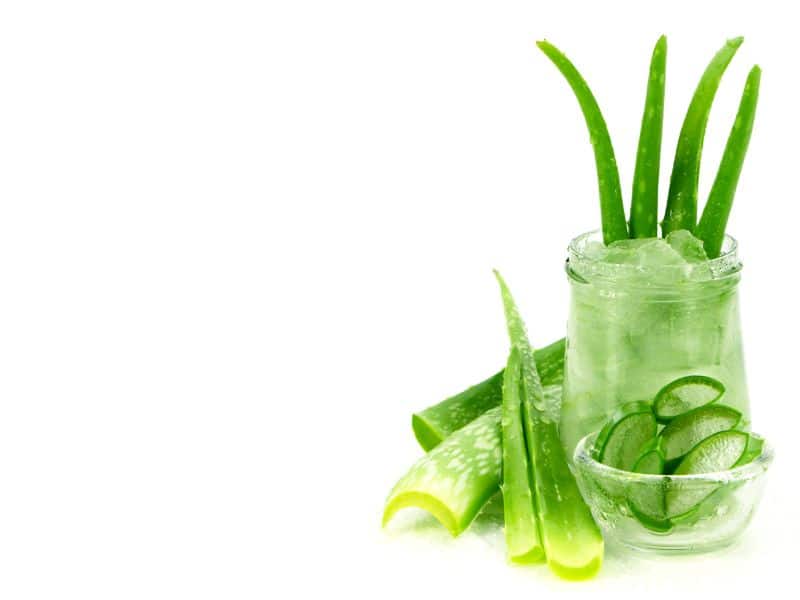
How Much Aloe Vera Juice to Drink Daily for GERD?
Clinical studies used 10 mL per day of Aloe vera syrup, standardized to 5 mg of polysaccharides per mL. If you’re using a commercial Aloe vera juice, concentrations vary—so an equivalent dose may be closer to 1–2 ounces (30–60 mL) depending on the product.
Look for:
- Decolorized, aloin-free Aloe, labeled for internal use
- Products that specify they are free of anthraquinones or aloin
- Avoid whole-leaf or raw Aloe juice, which can be harsh on the gut
Start with a low dose and increase slowly. If you notice loose stools or discomfort, scale back. The goal is to soothe and support healing, not trigger detox-like effects.
Final Thoughts on Aloe and Reflux Relief
Aloe vera is one of the gentlest, most well-tolerated tools I’ve come across for reflux—especially if you’re trying to move away from medications and toward healing the root cause.
Instead of muting your symptoms by force, Aloe helps your body repair and regulate. It won’t fix everything on its own—but it can be a powerful part of a broader strategy that supports gut health, reduces inflammation, and gently moves you forward.
If you’ve been stuck in the reflux cycle, aloe might just offer a new way forward—one that helps you begin to feel more like yourself again.
Want more root-cause remedies for reflux? Check out the other Natural supplements for Acid Reflux that I’ve covered on the site.
This content is for informational purposes only and is not medical advice. Consult your physician for personalized care.
This free site uses affiliate links. If it's helpful, consider purchasing using the product links —I earn a small commission at no extra cost to you.


Don Daniels
Latest posts by Don Daniels (see all)
- Honest Review: Wheat Belly by Dr. William Davis - July 10, 2025
- GERD but No Heartburn: Critical Clues Doctors Miss - May 24, 2025
- Feels Like Something Is Stuck In My Throat? Discover Why - May 23, 2025