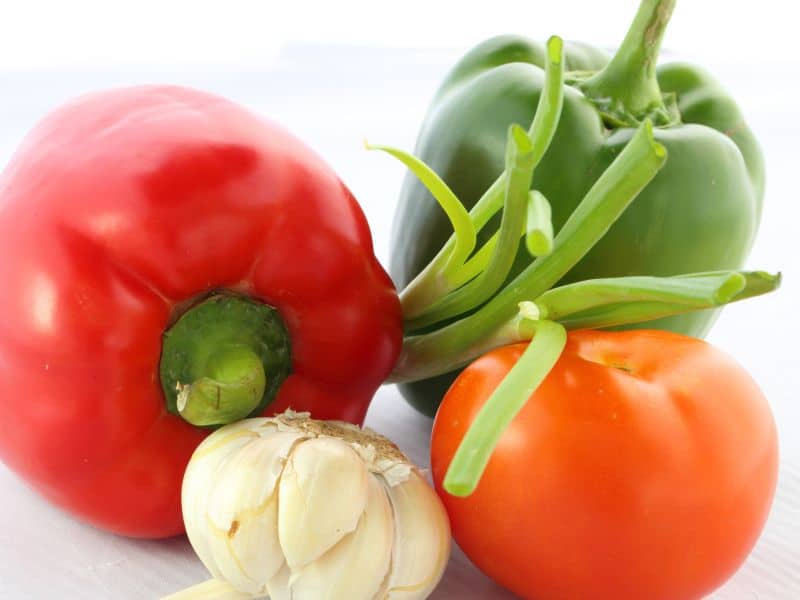
If you’ve been dealing with acid reflux for a while, chances are you’ve seen the same surface-level advice repeated everywhere: don’t eat tomatoes, avoid spicy food, and cut back on coffee. But if that worked, there wouldn’t be a $14 Billion dollar pharmaceutical market for acid reflux. The truth is, reflux triggers are far more complex—and far more personal.
Some foods set off symptoms within minutes, while others chip away at your digestive health behind the scenes—causing inflammation, disrupting your gut bacteria, or slowing motility until even “safe” foods start to trigger you. That’s why my Ten Worst Foods for Acid Reflux list isn’t just a checklist—it’s a framework. By organizing triggers into three distinct categories—deep, shallow, and global—you’ll begin to see why certain foods affect you and how to get to the root of what’s really going on.
Table of Contents
🧨Deep Triggers: The Foods That Worsen Underlying Issues
Certain foods may not trigger symptoms right away. Instead, they quietly weaken your digestive system’s defenses—disrupting microbial balance, irritating the gut lining, and interfering with healthy stomach acid levels over time. These are some of the most overlooked root causes of reflux.
I call them deep triggers because they don’t just irritate—they interfere with your body’s ability to heal. They’re part of a broader framework that also includes shallow and global triggers, each affecting reflux in different ways. If these concepts are new to you, feel free to check out my Reflux Triggers post and then come back to this list when you’re ready.
1 Sweeteners
Refined sugars feed the bad bacteria in your gut, leading to inflammation, gas, and fermentation. High-fructose corn syrup, common in sodas, sauces, and packaged desserts, is particularly disruptive.
Artificial sweeteners like sucralose and aspartame are often marketed as the safer choice, but research indicates they may impair gut signaling and worsen microbial imbalance. As your gut health deteriorates, even previously tolerable foods can start to trigger reflux.
What to do instead: Stick with fresh fruit. Yes it has sugar too, but the density is not artificially elevated to a level your body is not designed to handle. If you’re craving something sweet, make a simple dessert using fruit. And if you need to sweeten something—like a smoothie or oatmeal—so long as they don’t trigger (see other categories), try blending in ripe banana, berries, or apple slices instead of reaching for anything refined or artificial.
2 Synthetic Ingredients
Highly processed foods—think frozen dinners, boxed snacks, or artificially flavored sauces—are packed with preservatives, emulsifiers, and synthetic ingredients. These additives interfere with natural gut signaling and feed harmful bacteria, tipping your microbial balance toward dysbiosis.
As my Reflux Triggers article explains, these types of foods work quietly behind the scenes, making your gut more reactive over time—even if they don’t cause symptoms right away.
What to do instead: Focus on eating “real food,” ideally with zero added ingredients—things that just as easily could have been alive or growing on a tree last week. These are the food items on the outer walls of the grocery store (chicken, fish, vegetables, fruits, whole wheat, nuts, seeds, legumes). Make it a habit to prepare meals yourself using fresh produce, grains, and proteins. This alone, will make a huge difference in how you feel. If you absolutely must buy packaged items, make it rare and stick to short ingredient lists with names you can pronounce.

3 Seed Oils
Fried foods are difficult to digest; they slow gastric emptying and increase the likelihood that stomach contents will linger and back up. They’re often cooked in industrial vegetable oils like soybean, corn, or canola—oils high in omega-6 fats that promote systemic inflammation and impair gut function.
Excess omega-6 consumption has been linked to leaky gut, poor gut signaling, and altered hormone regulation that affects the lower esophageal sphincter (LES). On top of that, these oils are unstable at high heat—breaking down into harmful compounds that further irritate your gut lining. They’re bad in general, but when your digestion is already compromised, they drive the nails in the coffin.
What to do instead: Don’t fry and cook at home with gut-friendly oils. Cold-pressed extra virgin olive oil is a great choice for low- to medium-heat cooking. If you need a less bitter alternative or want something more heat-stable, coconut oil is a good reflux-safe option.
🌶️Shallow Triggers: Immediate Reactions That Vary by Person
Shallow triggers are the foods that tend to cause near-instant symptoms—but which ones affect you can be totally different from someone else. One bite of onion might send you into a flare, while your friend feels nothing. That’s why so many “reflux-safe food lists” feel frustrating or even useless.
These categories aren’t one-size-fits-all. Some foods, like acidic fruits might only be an issue during a flare—and totally fine once your system settles. Instead of memorizing what’s safe for someone else, use this list to start noticing patterns in your own body.
4 Acidic Foods
A common misunderstanding is that acidic foods make reflux worse by increasing stomach acid. But here’s the truth: aside from highly acidic drinks like soda, the pH of most foods isn’t anywhere near strong enough to change your stomach’s acidity. That’s not the problem.
The real issue is that these foods can irritate the already-inflamed tissue in your throat and esophagus—especially during a flare up. That’s why foods like citrus, tomato products, vinegar-based condiments, and even fermented foods can feel like they “burn” on the way down.
Even foods that aren’t naturally acidic—like canned beans—can become acidic during processing, since manufacturers often add acidity to extend shelf life. If you don’t realize this, you might unknowingly be adding fuel to the fire—despite feeling like you’re “doing everything right.”
What to do instead: If your throat is irritated—or you’re still trying to figure out your personal triggers—it may be worth cutting out acidic foods and drinks for a couple of weeks as a test. Try avoiding anything with a pH between 1 and 5, including things like citrus, vinegar, soda, kombucha, tomato products, wine, and coffee. This gives your throat time to heal without extra irritation.
If you don’t notice improvement, these foods might not be an issue for you—and that’s good news. Dietary diversity supports microbial diversity, which is essential for long-term gut health. The goal isn’t to avoid these foods forever, but to give your body the space to reset while you work on a broader plan to restore digestive balance.
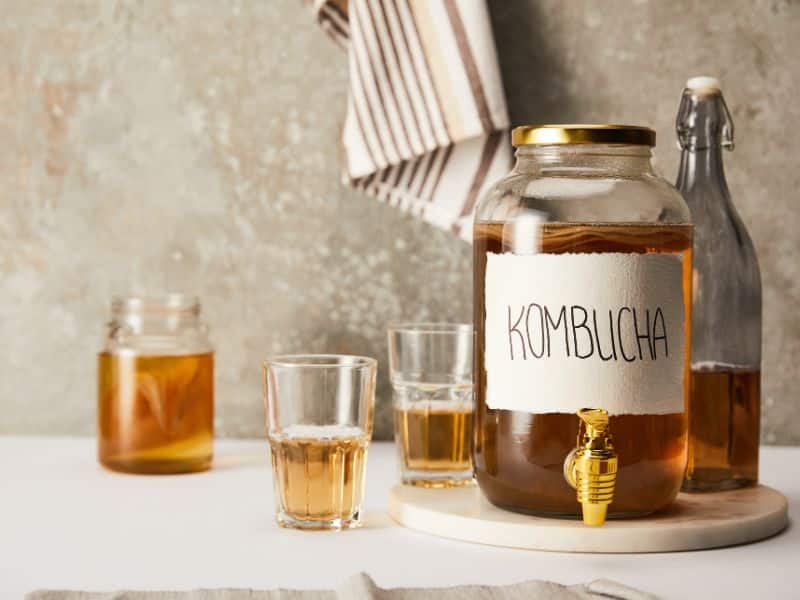
By the way kombucha can be great for gut health, but if you’re dealing with throat inflammation, you might consider alternatives.
5 Fermentable Carbs
FODMAPs are fermentable carbohydrates that can cause gas and bloating in the digestive tract. For people who are sensitive, this fermentation creates internal pressure on the lower esophageal sphincter (LES), increasing the chance of reflux—even if the food itself isn’t acidic.
Examples include garlic, onions, apples, pears, wheat, and legumes. These are nutrient-dense foods and otherwise part of a healthy diet for most people. But if you notice a pattern—like certain ones reliably causing bloating, pressure, or flare-ups—FODMAPs might be the culprit.
What to do instead: If you’re in a flare or trying to pinpoint triggers, it may help to temporarily cut back on common high-FODMAP foods and observe how your body responds. Stick with simpler, well-tolerated meals and reintroduce FODMAP-rich foods slowly, one at a time.
If you don’t react, great—these foods can stay. If you do, now you’ve got a clue worth following. You’re not cutting them out forever—just learning working to identify your personal triggers so you can better manage your symptoms while working a more holistic plans.
6 High-Histamines
Histamines are natural compounds found in many aged, fermented, or processed foods. Your body is equipped to break them down, but for some people—especially those with gut issues—that breakdown process doesn’t work as efficiently as it should.
When histamines build up, they can slow digestion and interfere with LES function, increasing the chances of reflux. Foods like aged cheeses, cured meats, smoked fish, wine, kombucha, sauerkraut, and even leftovers can be high in histamines. But not everyone reacts to them—histamine sensitivity varies widely from person to person.
What to do instead: If you suspect histamines might be a trigger, try keeping a simple food journal to spot patterns—especially during flare-ups. If you notice consistent symptoms after eating histamine-rich foods, take a break from them for a couple of weeks and see if things improve. Again, you’re not cutting them out forever—just learning working to identify your personal triggers so you can better manage your symptoms while working a more comprehensive plans.
🍫Global Triggers: Problematic for Nearly Everyone with Reflux
These foods tend to affect almost all reflux sufferers. Unlike shallow triggers (which vary) or deep triggers (which work slowly), global triggers reliably cause problems by either relaxing the lower esophageal sphincter (LES) or creating excess gas that puts pressure on it from below. In both cases, the LES is weakened—making it more likely for stomach contents to push upward and trigger a reflux event.
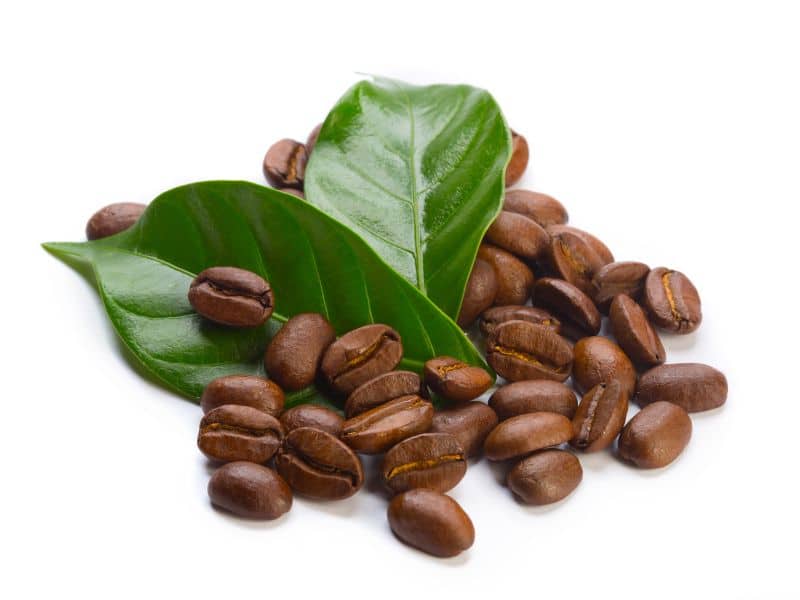
7 Coffee
Coffee is what I call a triple threat. It contains caffeine (a known LES relaxer), is naturally acidic, and is often paired with sugars or creamers that act as deep triggers.
In my full guide on How to Drink Coffee Without Getting Acid Reflux, I break down how coffee affects reflux on every level. Even decaf can cause issues, especially when paired with food or consumed in large amounts.
“Coffee significantly lowered LES closing pressure in both healthy volunteers and reflux patients… the difference was that reflux sufferers started from a lower baseline and were left with barely enough pressure to keep acid down.”
8 Alcohol
Alcohol is another triple threat for reflux. It relaxes the lower esophageal sphincter (LES), increases esophageal irritation, and—when carbonated—adds internal pressure from gas. Wine, beer, and mixed drinks can all contribute to flare-ups.
Alcohol also promotes dehydration, which can dry out the protective mucosal lining of the esophagus and slow the healing process—especially during a flare.
What to do instead:
For most reflux sufferers alcohol turns out to be a consistent trigger; it’s usually best to take a break altogether. When you’re healed your body is better able to cope with it.
9 Chocolate
Chocolate contains caffeine and theobromine- both of which are known to relax the lower esophageal sphincter (LES). It’s also typically high in sugar, which can feed dysbiosis and increase inflammation over time.
What to do instead: For most reflux sufferers chocolate turns out to be a consistent trigger; it’s usually best to take a break altogether. When you’re healed your body is better able to cope with it.
10 Mints
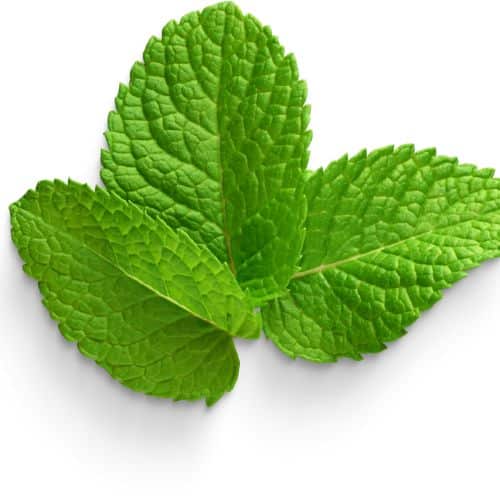
Many people turn to mint for relief from bloating or nausea, thinking it’s soothing—but if you have reflux, it often does more harm than good. Mint relaxes the lower esophageal sphincter (LES), making it easier for stomach acid to flow back up.
This effect is especially problematic after meals, when your LES is already under pressure from digestion. Add mint to the mix, and you lower that closing pressure even more—making reflux far more likely. Mint teas, candies, and gums are some of the most common (and most overlooked) culprits.
What to do instead:
If you’re looking for digestive support or to sooth symptoms, try ginger or chamomile tea instead. Both are known to aid digestion without relaxing the LES, making them better options during or after meals.
Final Thoughts
Traditional advice around trigger management is about avoiding them forever to minimize symptoms. But a more sensible approach is a short term avoidance to help break the reflux cycle and stabilize symptoms so that you have a stable platform that can serve as a foundation for a broader healing plan.
By understanding which category each food fits into—deep, shallow, or global—you can start making smarter choices without getting overwhelmed. The goal isn’t perfection—it’s progress. And as you’ve read in the research and seen in your own journey, clarity leads to confidence.
If you found this article eye opening, then be sure and check out my 7 Best Alkaline Foods for GERD post next.
This content is for informational purposes only and is not medical advice. Consult your physician for personalized care.
This free site uses affiliate links. If it's helpful, consider purchasing using the product links —I earn a small commission at no extra cost to you.


Don Daniels
Latest posts by Don Daniels (see all)
- Honest Review: Wheat Belly by Dr. William Davis - July 10, 2025
- GERD but No Heartburn: Critical Clues Doctors Miss - May 24, 2025
- Feels Like Something Is Stuck In My Throat? Discover Why - May 23, 2025